A few more images showcasing fall colors in northern Arizona. It was great while it lasted!


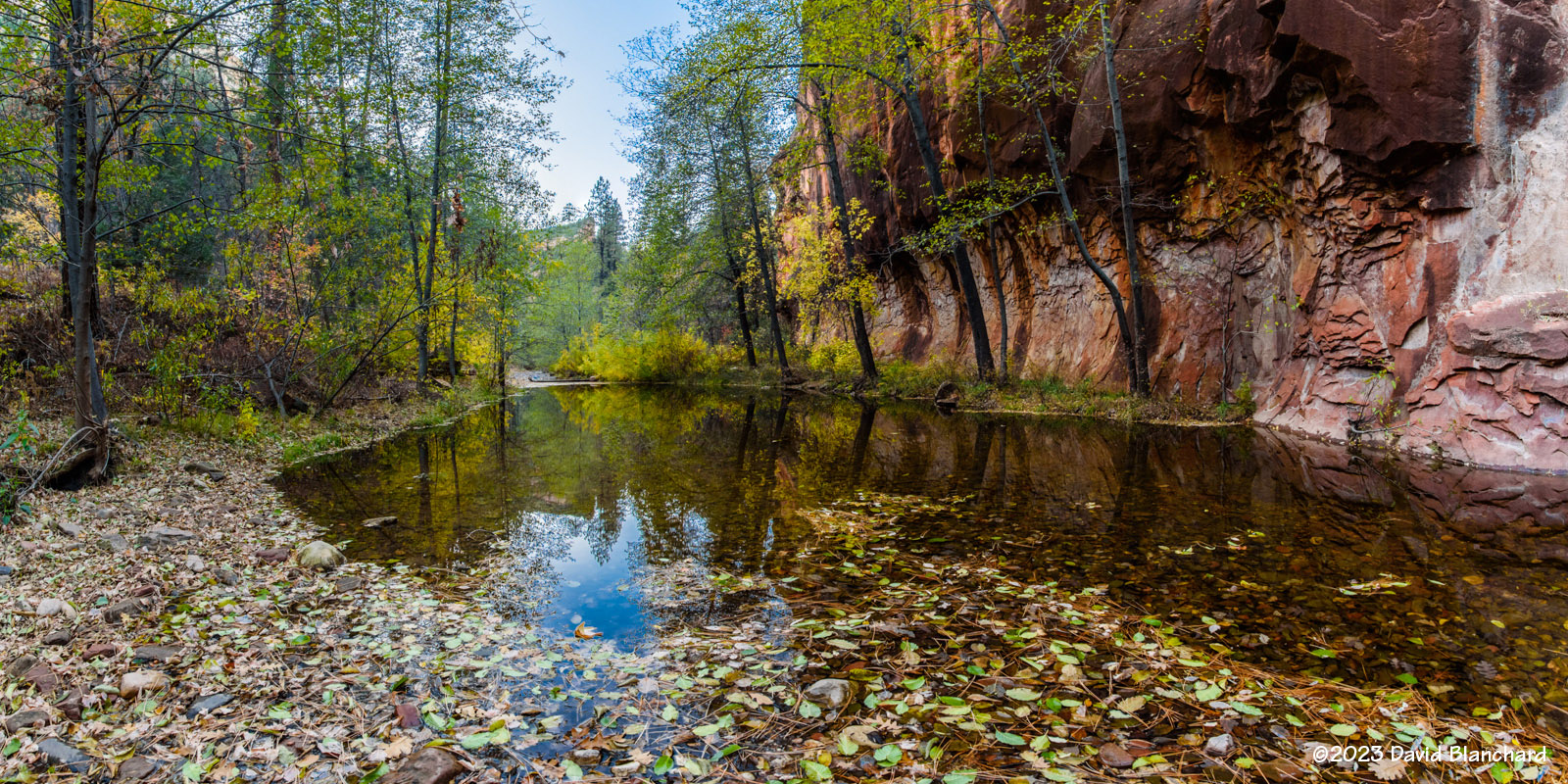
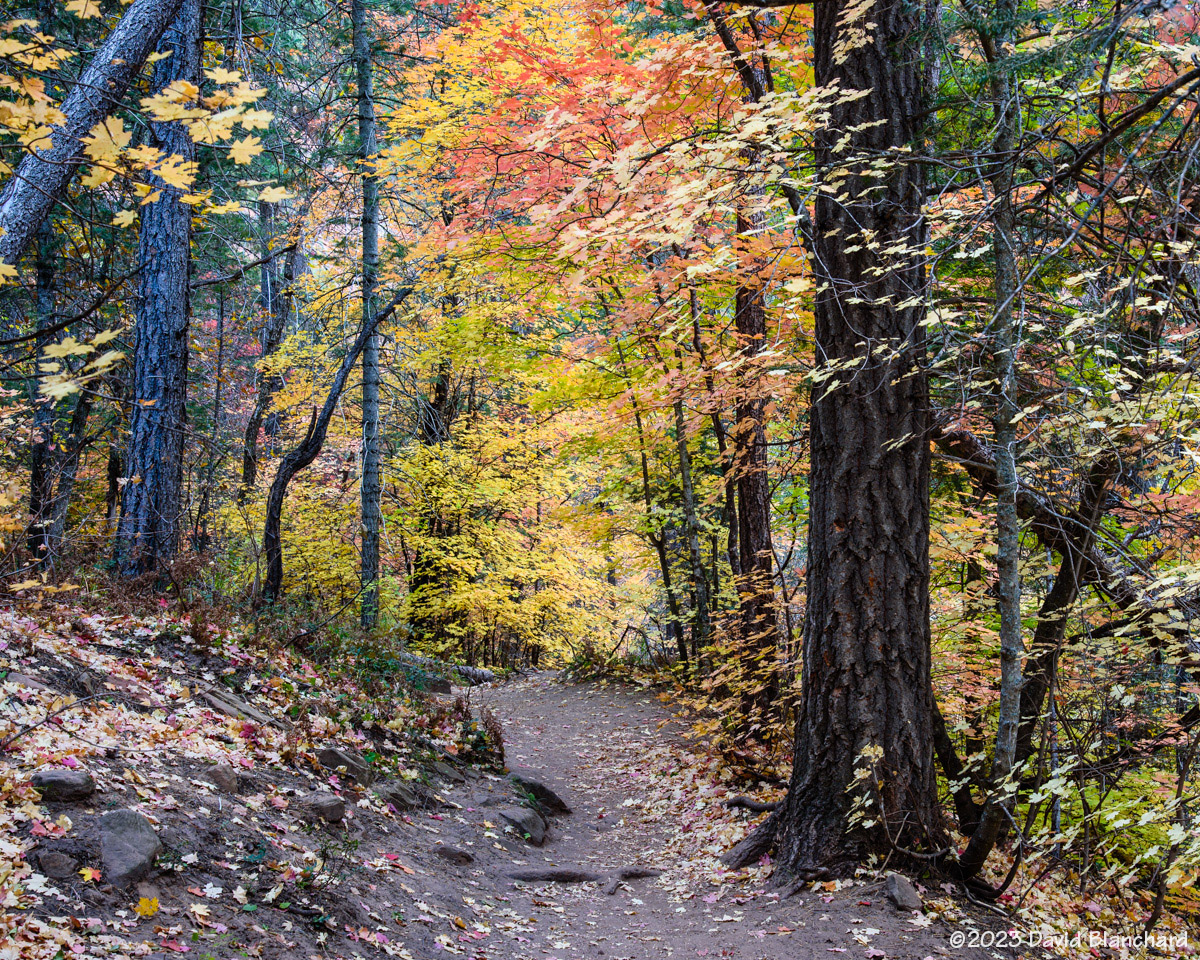


A few more images showcasing fall colors in northern Arizona. It was great while it lasted!
October and November brings color to the foliage in northern Arizona. This year, however, the colors have been subdued and the color change has been over an extended period of time rather than a sharp peak. Nonetheless, it’s always a fun time to get out and photograph. These photographs were taken between October 10 and November 1.

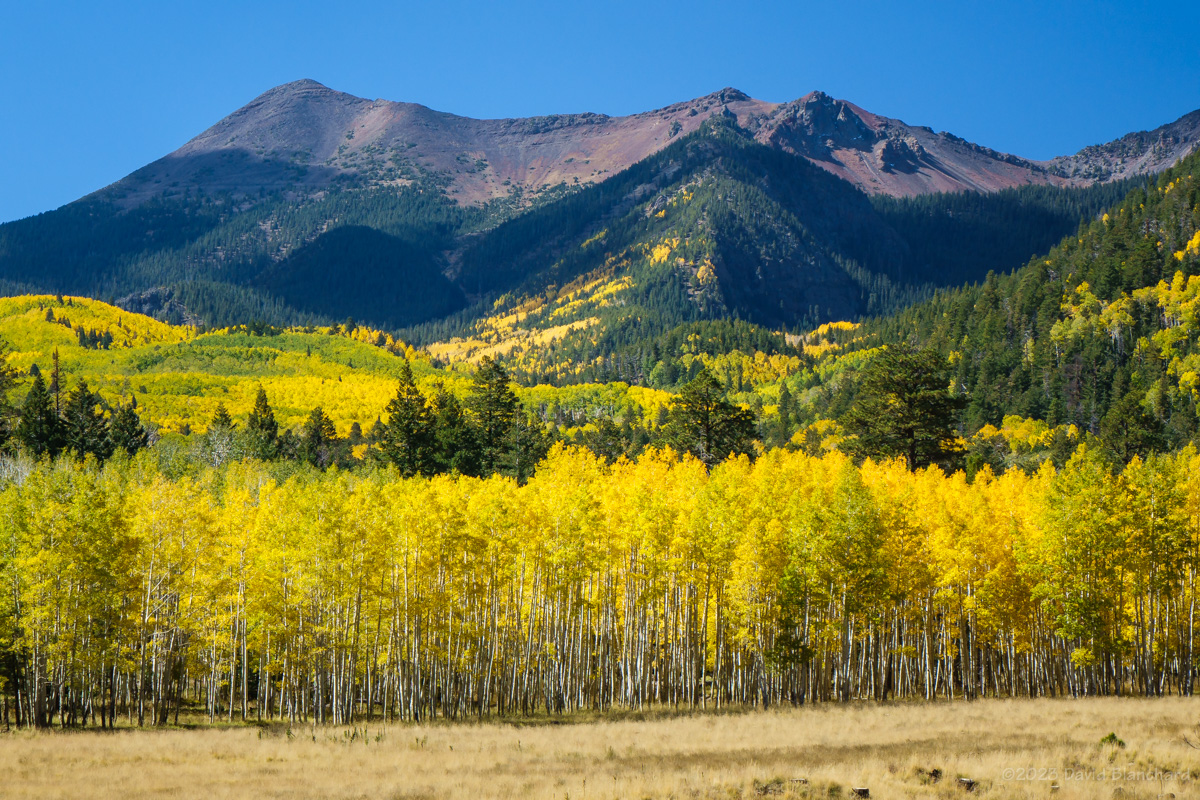


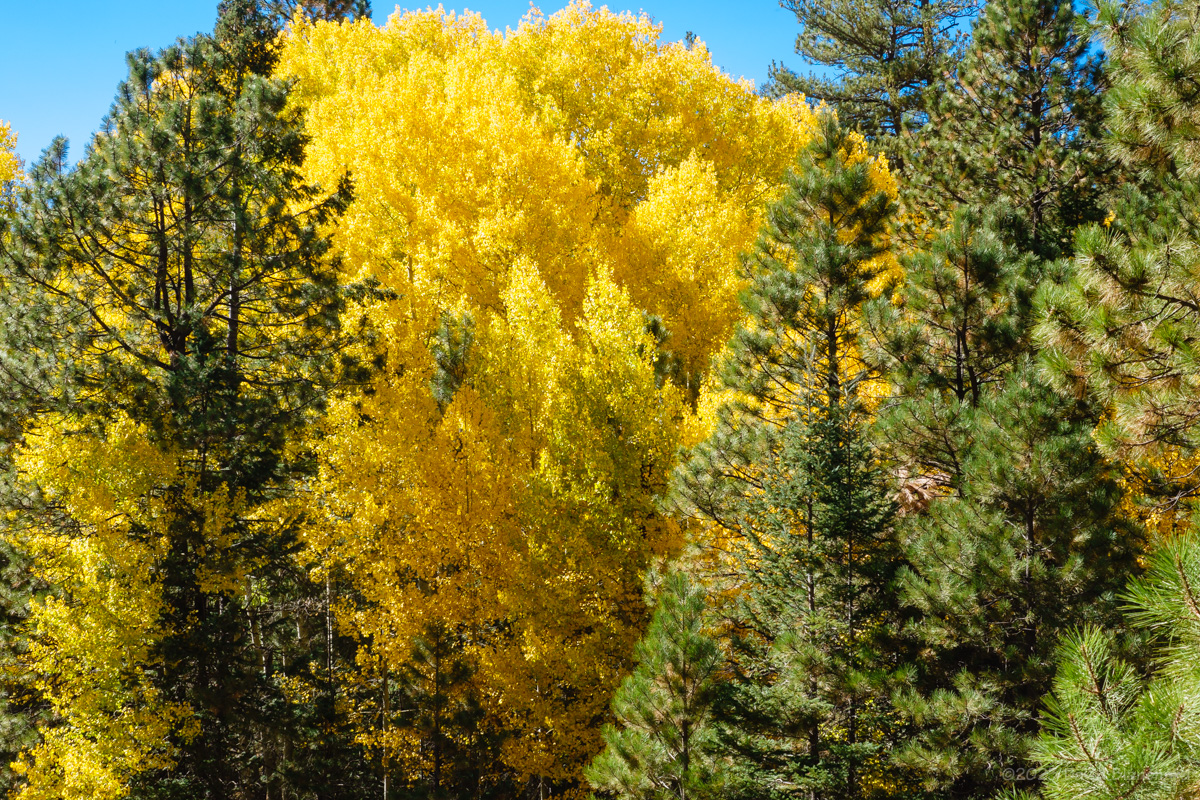
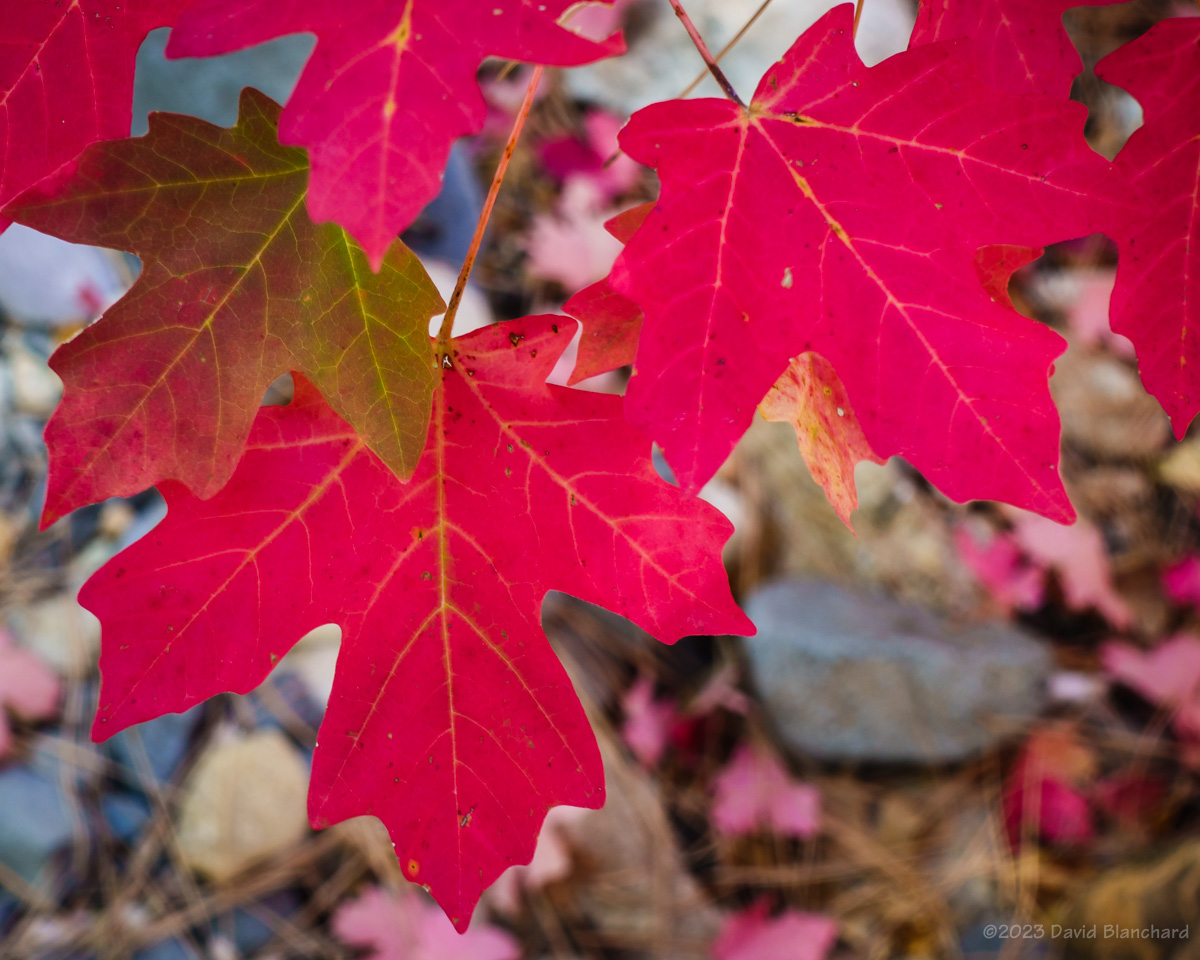
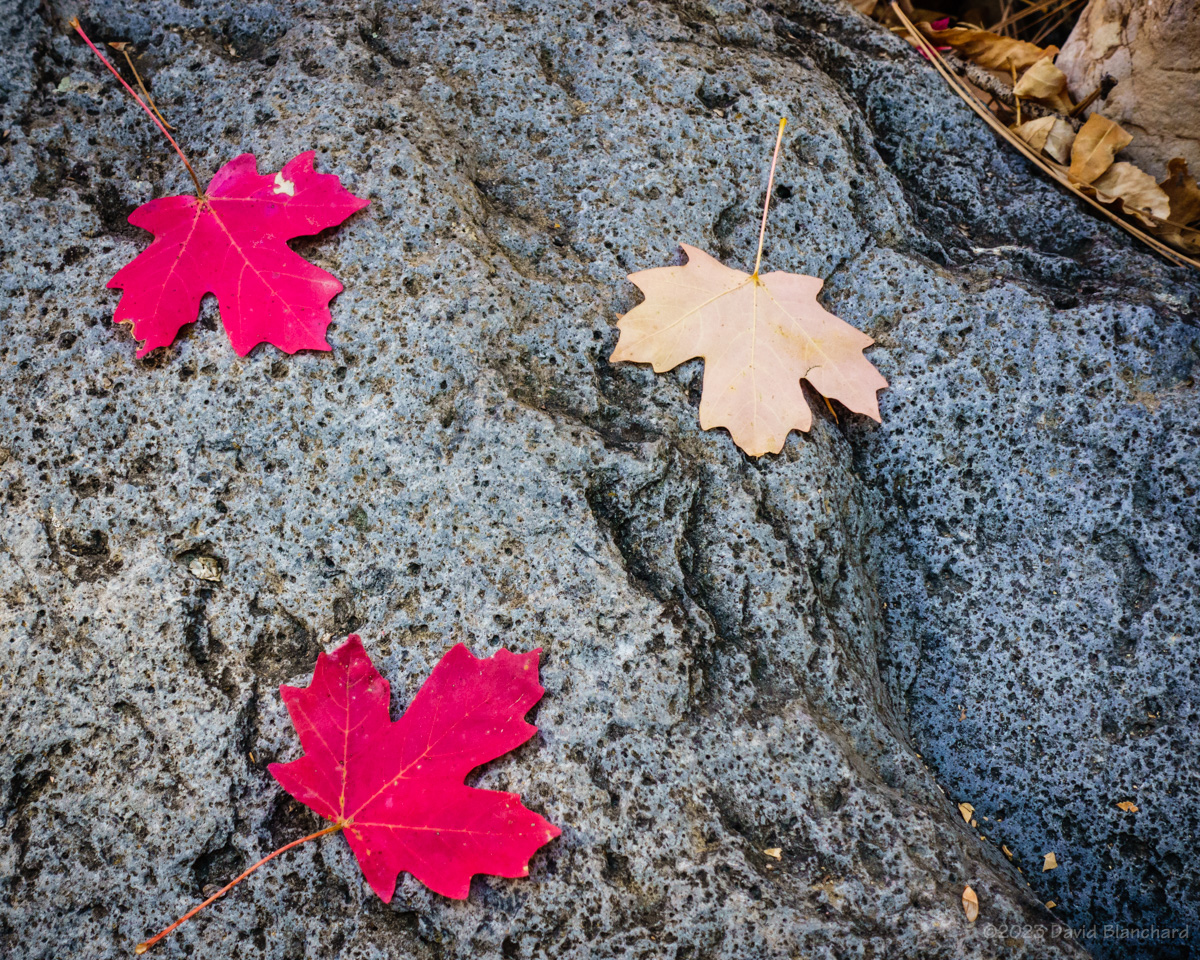


The color continues to migrate into the lower elevations. Middle and lower sections of Oak Creek Canyon have yet to hit their peak.

It has been a few years since we have done a winter hike up the West Fork of Oak Creek. This is mainly because of overcrowding in the canyon and a full parking lot. But earlier this week we passed by the entrance and noted that the parking lot was nearly empty. We already had plans for that day but decided to hike the following day.


We have done this hike in the winter enough times to know that having solid foot traction gear is necessary as well as a set of hiking poles. With those aids, we had very little trouble hiking to the end of the established trail (~3.2 miles). As noted at the trailhead, there are 13 stream crossings and each one had ice-covered rocks and/or logs to step on. The trail was a combination of packed snow and ice.
We saw only a few people at the start of the hike and none after the first half-mile or so. On the way back, we encountered a few hiking parties intent on reaching the end of the trail and they were close enough that I have little doubt that they made it. As we got closer to the trailhead we ran into several parties that were ill-equipped to be doing this winter hike.
This winter hike is best right after a snowstorm but that can mean having to break trail through the snow. We’ve done that and it was a workout. But the payoff in snow-covered cliffs and creek are worth the effort.
——————————————————————————————————————————
Here are some older entries about hiking West Fork in the winter:

Most of the time when we hike West Fork Oak Creek we do it from the bottom up. Only once before have we done top-to-bottom and that was back in 1999. We were new to northern Arizona and had read Tyler Williams’ Canyoneering Arizona that this could be done in one very long, hard day. He was right about the long and hard. We have since referred to that epic day as our bootcamp hike.


The passage of time can dim the memories of how hard and unpleasant things were. So here we were in 2019, twenty years later, and we wanted to do this hike again but with some modifications. We were not planning on hiking the entire length of the canyon. Instead, we would simply head down canyon and turn around when we had enough.

It didn’t take long to realize that even this would be a challenge. There is no maintained trail—and not even much of any hint of a trail at all. The vegetation was so thick we had to bushwhack our way through it. Remember that the Slide Fire in 2014 burned through this area (mostly low intensity) and this thick vegetation may be the result of the burn and regrowth. And there was lots of poison ivy. After the first few attempts to get around it we gave up and just plowed through it.
It took us about 2 1/2 hours to reach the first set of narrows about 3 miles down canyon. Just below the narrows is the confluence with Casner Cabin Draw—which ended up being our turnaround spot. We had some commitments that evening so we did not have unlimited time for exploration. Maybe that was a good thing!


I had just been looking at some old photographs from that 1999 hike so I remembered a few locations and took new photographs in the same spots. The tree on the right has grown substantially in 20 years.

We did not encounter any water in the stream bed until the narrows and even then it was a small pool only a few inches deep and a few feet wide.

I’ve also included a photo (a scanned Kodachrome slide) from that 1999 hike showing one of the “must swim” cold pools of water.
We enjoyed the quiet and solitude of the upper canyon.
In early July we invited some friends to join us for a hike up West Fork Oak Creek. This is a hike we used to do almost every year until the Slide Fire in 2014 . We made a short trip up the canyon when it reopened and were pleased that the canyon had not burned but saddened by all the silt and ash that had clogged the deep pools.

Earlier this year we did our first hike up the canyon in many years. Our main interest was to learn if the heavy rains of this past winter had successfully flushed out the silt and ash from the 2014 Slide Fire. As reported in a previous article here, the heavy rains had done a fine job of returning the canyon to its former pristine condition.

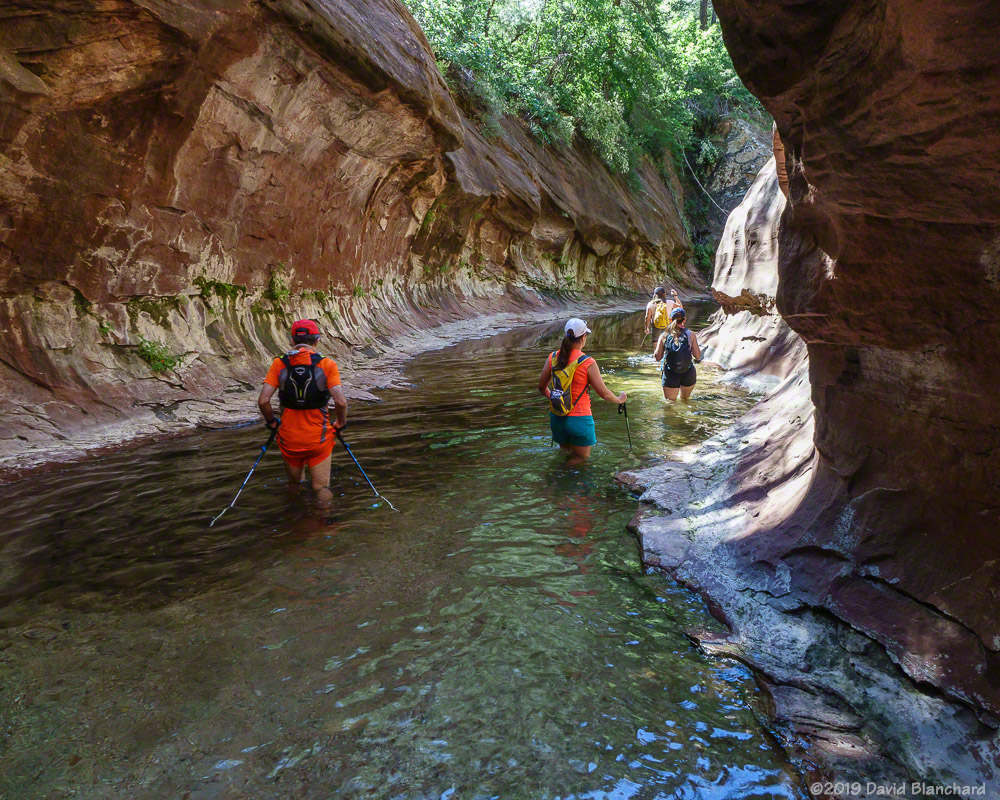


Now, with warm weather and sunny skies, it was time to hike as far up West Fork as time would permit. In the past, we have made it up and just beyond the “Camping Permitted” point which is around six miles up canyon. Years ago, we also did an end-to-end starting at Woody Mountain Road and hiking the entire length in a day. But since that “boot camp” day back in 1999, we have only hiked up from the bottom. This day was no different—except that we traveled farther up the canyon than any of our previous hikes. That’s a successful day. We spent about six hours hiking up and returned in about five hours.
Our friends were not able to commit as much time so they turned around after about 3.5 miles (i.e., after the “End of Trail” and just a bit beyond the first narrows).


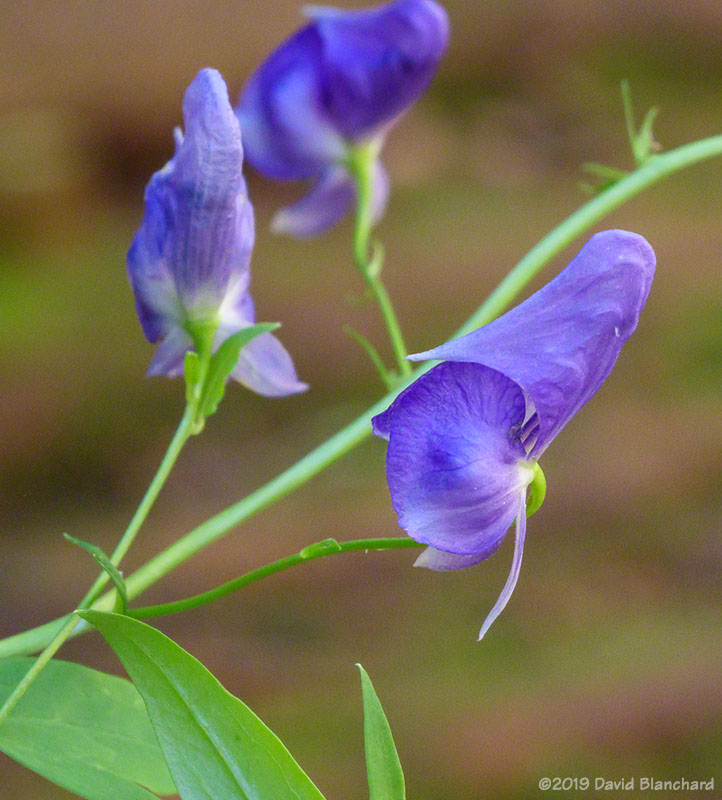
The wildflowers were great. There were masses of Monkshood and Monkey Flowers—so I was motivated to get a photograph of both “monks*” in one shot. Nope. Apparently, they prefer slightly different conditions and while they would sometimes be close, they were never clustered together. Columbines were also in great abundance. And there were a few flowers we could not immediately identify but could certainly enjoy.


About a mile or so above the “camping permitted” sign we began to encounter thickets of brush from one side of the canyon to the other. These made forward travel very difficult. They also brought back memories of how challenging this section was back when we did the entire canyon. And, with that in mind, we declared that location to be our turn-around point.


What a fun (and tiring) day!